Bamboo straws have become a popular swap for plastic, especially for people trying to cut back on single-use waste. They look great, feel less harsh than metal, and can be reused many times. But they are not perfect.
This guide explains what bamboo straws are, why people like them, where the tradeoffs are, and how to clean and store them so they last. If you want the short version: bamboo straws can be a solid lower-waste option if you will actually reuse them and care for them properly.
If you want to explore more sustainable home products, visit Tropic Jade or browse our article hub.
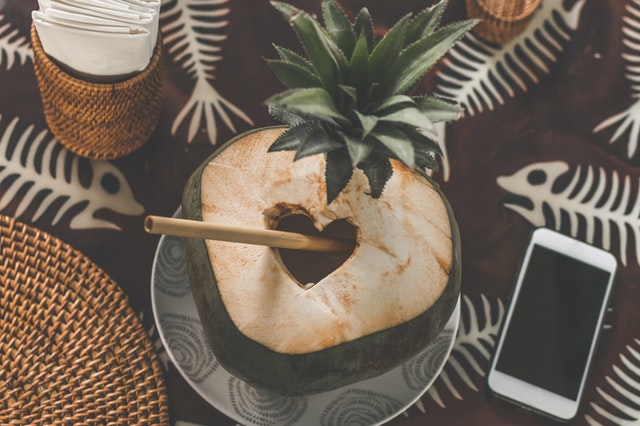
Photo by Artem Beliaikin via Pexels.
Quick verdict
Bamboo straws are best for people who want a reusable straw made from a plant-based material, like a natural look, and do not mind hand-washing or extra drying care.
Skip them if you want the easiest possible maintenance, plan to use a dishwasher on high heat, or prefer something that lasts as long as possible with minimal fuss.
Compared with plastic straws, bamboo is usually the better environmental choice. Compared with metal, bamboo often feels more pleasant in hot or cold drinks, but it generally needs more careful cleaning and will not last as long.
Pros and cons of bamboo straws
Pros
- Reusable and lightweight
- Made from a renewable plant material
- Compostable at end of life in many cases
- Do not conduct heat and cold the way metal does
- Natural, tropical look that works well for gifts, cafes, and events
- Less breakable in travel than glass
Cons
- Need thorough drying to avoid musty smells or moisture issues
- Usually do not last as long as metal straws
- Natural variations mean size and finish are less uniform
- Some strong flavors can linger if not cleaned well
- Not ideal for people who want truly low-maintenance care
Why are bamboo straws good?
Bamboo straws are popular because they offer a reusable alternative to single-use plastic and paper straws while using a natural material that grows relatively quickly. They are convenient, stylish, and easy to pack for travel, picnics, or work lunches.
They also have a softer, more organic feel than metal. For many people, that matters. A straw is a small product, but it is one of those everyday objects that can either add to the throwaway economy or help reduce it a bit.
That said, bamboo straws are not automatically the best choice for everyone. The greenest product is usually the one you will keep using. If you buy bamboo straws and they sit in a drawer, the sustainability story falls apart pretty quickly.
Are bamboo straws good for the environment?
In general, yes, bamboo straws are a better environmental option than disposable plastic straws. They are reusable, plant-based, and biodegradable under the right conditions. Bamboo also grows much faster than many wood sources, which helps its sustainability profile.
Still, it is worth keeping expectations realistic. A bamboo straw is not impact-free. It still has to be harvested, processed, packaged, and shipped. Some products are made more carefully than others, and some sellers are much more transparent than others.
So the honest answer is this: bamboo straws can be a good lower-waste choice, especially if you reuse them many times and buy from a reputable source, but they are not a magic fix for larger waste and consumption problems.
What kind of bamboo are bamboo straws made from?
One popular bamboo type used for straws is Schizostachyum. This type is often chosen because its natural hollow form works well for straw-making.
After cultivation, bamboo stalks are cut, dried, and finished into drinking straws. Depending on the maker, they may be sun-dried, smoked, sanded, washed, and sorted before packaging.
How are bamboo straws made?
The basic process is fairly straightforward:
- Bamboo is harvested and cut into sections.
- The pieces are dried naturally, often in the sun.
- They are trimmed to straw length, commonly around 20 to 21 cm.
- The outer and inner surfaces are smoothed by sanding, filing, or similar finishing steps.
- The straws are washed, dried again, checked, sorted, and packed.
Better manufacturers usually pay more attention to smooth edges, consistent cleaning, and careful drying. Since this is a natural material, quality control matters a lot.
Are chemicals used when making bamboo straws?
Many bamboo straws are sold as chemical-free or with minimal processing, and some are made without added chemicals. But it is smarter not to assume that every product on the market is identical.
Look for sellers that clearly explain how the bamboo was treated, cleaned, and stored. If you want the most natural option possible, choose a reputable brand that states the straws are free from added dyes, coatings, fungicides, or heavy chemical treatments.
Broad claims that bamboo is always chemical-free are too simple. The safer approach is to check the specific product and seller.
Are bamboo straws safe?
Yes, bamboo straws are generally safe to use when they are properly made, cleaned, and dried between uses. They also do not conduct heat like metal, so they can feel more comfortable in hot drinks and less shockingly cold in iced drinks.
As with any reusable straw, safety depends on maintenance. If a straw is cracked, smells off, or has been stored damp, it is better to replace it than keep using it.
Are bamboo straws hygienic?
They can be hygienic if you clean them promptly and let them dry completely. Some people describe bamboo as having natural antimicrobial or antifungal qualities, but those claims should not be treated as a substitute for proper washing.
In practical terms, hygiene comes down to care: rinse after use, clean inside the straw, and avoid trapping moisture during storage.
How do you clean and care for bamboo straws?
Good care makes a big difference. Bamboo straws are reusable, but they need a little more attention than metal.
After each use
- Rinse the straw under warm water as soon as you can.
- Wash with mild soap.
- If possible, use a small straw brush to clean the inside.
For deeper cleaning
- Soak the straws briefly in warm water with a little vinegar.
- You can also shake them in a jar of warm soapy water.
- Rinse thoroughly afterward.
Drying and storage
- Let them dry completely before storing.
- Dry them flat or at an angle rather than standing upright where water can collect.
- Store in a well-ventilated place.
- Avoid sealing damp straws in an airtight container.
If a straw develops an odor, visible damage, or signs of mold, compost it and replace it.
Can bamboo straws go in the dishwasher?
Sometimes, but hand-washing is usually the safer long-term choice. Some brands say bamboo straws can go in the dishwasher, especially on a gentler setting. But high heat and aggressive drying cycles can shorten their lifespan.
If you do use a dishwasher, it is best to avoid very hot drying functions and let the straws air-dry fully afterward. When in doubt, follow the product care instructions from the manufacturer.
Are bamboo straws reusable?
Yes. That is one of their main benefits. Bamboo straws are designed to be used again and again rather than thrown away after one drink.
They will not usually last as long as metal straws, but they can still be used many times if cared for properly. Reuse is what makes them meaningfully better than single-use options.
Are bamboo straws biodegradable or compostable?
Yes, bamboo straws are generally biodegradable and compostable because they are made from natural bamboo stalks. Once they reach the end of their useful life, many can be added to compost rather than sent straight to landfill.
If you want them to break down more easily, cut or break them into smaller pieces first. As always, if a straw has unusual coatings or added finishes, check whether composting is still appropriate.
Are bamboo straws recyclable?
No, bamboo straws are typically not recyclable through regular curbside recycling. Composting is usually the better end-of-life option.
If composting is not available, they can go in general waste, but that is less ideal than reusing them for as long as possible and composting them at the end.
Can you use bamboo straws for hot drinks?
Yes, bamboo straws can be used for hot drinks as well as iced coffee, juice, smoothies, and soda. One reason some people prefer them over metal is that bamboo does not transfer temperature as aggressively.
If you use them with strongly flavored drinks, clean them soon after use so flavors do not linger inside the straw.
Are metal or bamboo straws better?
It depends on what you care about most.
Choose bamboo if you want
- A plant-based material
- A natural look and feel
- Less temperature transfer with hot or cold drinks
- A compostable end-of-life option
Choose metal if you want
- Maximum durability
- A more uniform shape and finish
- Less concern about moisture in storage
- A straw that can potentially last much longer
Metal straws may last longer, but they also require more industrial processing. Bamboo usually has a gentler natural-material appeal, though it needs more careful upkeep. Neither option is perfect, and the better one is the one you will reliably reuse.
How to choose good bamboo straws
- Check the finish: edges should look smooth, not splintered.
- Look for care instructions: good sellers explain cleaning and drying clearly.
- Ask about treatments: try to avoid unnecessary coatings or vague claims.
- Consider included tools: a cleaning brush is genuinely useful.
- Think about size: wider straws work better for smoothies, narrower ones for juice or water.
- Buy for real use: a small set you actually use beats a bulk pack that gathers dust.
How much do bamboo straws cost?
Prices vary depending on quantity, finish, and seller. In general, bamboo straws are often sold in sets or bulk packs and tend to be relatively affordable compared with many other reusable drink accessories.
Since pricing changes often, it is better to compare current listings rather than rely on old price ranges.
How much does it cost to make bamboo straws?
If you are making them yourself, the cost depends mostly on access to suitable bamboo and the tools you already own. Bamboo material is often affordable, but it still takes time and care to cut, hollow, sand, clean, and dry it properly.
For most people, buying a ready-made set from a reputable seller is much easier than making their own.
How to make a straw from bamboo
If you want to try a DIY version, the process is simple in theory, though it still requires care and the right tools.
You will need a bamboo cane, pencil, ruler, sandpaper, scissors, a handsaw, a drill, and a metal rod.
- Measure: mark about 15 centimeters on the bamboo cane and cut carefully with a handsaw.
- Drill: clear the center on both sides to remove the inner pith.
- Sand: smooth rough edges and the outer surface with coarse, then fine sandpaper.
- Boil: clean the bamboo thoroughly in boiling water, changing the water a few times.
- Dry: let the straw dry naturally in open air before use.
If you make your own, pay close attention to smooth edges and full drying before using the straw.
Best for and skip if
Best for
- People reducing single-use plastic
- Anyone who prefers natural materials over metal
- Tropical drinks, smoothies, iced coffee, and casual home use
- Gift sets, parties, cafes, and events with a natural aesthetic
Skip if
- You want dishwasher-only convenience
- You dislike any maintenance or drying routine
- You want the longest possible lifespan from one straw
- You need a perfectly uniform straw every time
Final thoughts
Bamboo straws are not revolutionary on their own, but they can be a smart small swap. They are reusable, compostable, and pleasant to use, especially if you like natural materials and want to move away from disposable plastic.
Just keep the eco story honest: the benefit comes from repeated use, responsible sourcing, and proper care. Buy a set you will actually use, clean it well, and compost it when it is truly done.
If you are comparing other bamboo household products, you may also like our guides to bamboo cutting boards, bamboo steamers, bamboo toilet paper, bamboo blinds, and bamboo pillows.
For more on this category, browse our bamboo kitchen and dining guides or the full bamboo kitchen products guide. You can also revisit this page at https://tropicjade.com/bamboo-straws-faq/.
Want us to cover another bamboo product? Send a suggestion to ContactUs@tropicjade.com.