Bamboo steamers are simple, low-tech cookware with a long history and a very specific strength: they make steaming easy, gentle, and surprisingly versatile. If you want dumplings, vegetables, buns, or dim sum-style dishes without adding much oil, a bamboo steamer is still one of the best tools around.
This guide explains what a bamboo steamer is, how it works, how to choose one, how to care for it, and where it fits in the broader bamboo kitchen category at Tropic Jade.
Quick verdict
Best for: home cooks who want a simple way to steam dumplings, vegetables, buns, and dim sum-style foods.
Skip if: you want dishwasher-safe cookware, dislike air-drying kitchen tools, or need something ultra-low-maintenance.
Bottom line: a bamboo steamer is affordable, useful, and charmingly old-school. It is not perfect, and bamboo still has durability and care tradeoffs, but for steaming food well, it does the job beautifully.
Pros and cons of bamboo steamers
Pros
- Gentle steaming works well for dumplings, buns, fish, and vegetables.
- Stackable layers let you cook multiple foods at once.
- Lightweight and easy to store.
- Bamboo is a renewable material compared with many plastic-heavy kitchen products.
- Classic presentation if you like serving food straight from the steamer.
Cons
- Needs hand washing and thorough drying.
- Can warp or mold if stored damp.
- Not as durable as some stainless steel steamers.
- Works best with the right pot or wok size.
- Cheap models can have rough edges, loose weaving, or uneven lids.
What is a bamboo steamer?
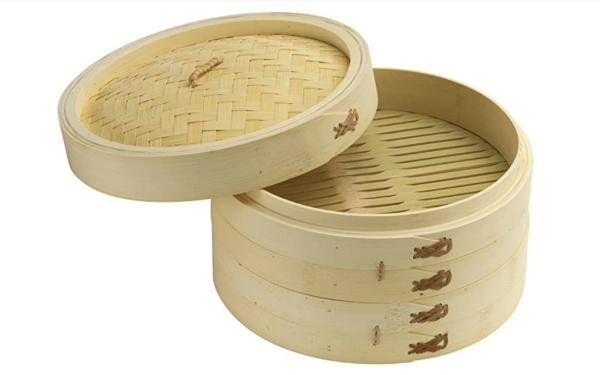
A bamboo steamer is a type of cookware made from stacked bamboo baskets with a lid. The baskets usually have slatted or woven bottoms so steam can travel upward through each layer. You place the steamer over simmering or boiling water, and the rising steam cooks the food inside.
If you want a general overview, Wikipedia’s bamboo steamer page is a decent starting point.
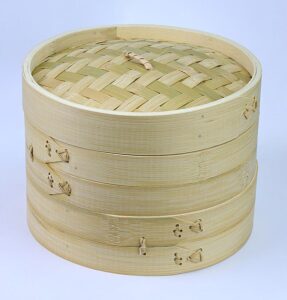
Image credit source: Wikimedia Commons.
Where are bamboo steamers from?
Bamboo steamers originated in Asia and have been used for a very long time, especially in China. Many sources trace their roots back thousands of years, with early use associated with southern China.
In Chinese, they are called zhēnglóng (蒸籠). Similar tools and traditions also appear across other Asian cuisines, including in Korea and Japan.
Are bamboo steamers good?
Yes, for the right job. Bamboo steamers are especially good at cooking foods that benefit from moist, even heat. They are popular because they help preserve texture without drenching food in oil or leaving it sitting in water.
They are also closely associated with dim sum, which is probably the style of food many people in the West picture first when they think of bamboo steamers.
That said, “good” depends on your priorities. If you value convenience above all else, a metal steamer insert may be easier to maintain. If you care about cooking experience, presentation, and traditional function, bamboo is hard to beat.
What do you use a bamboo steamer for?
Bamboo steamers are commonly used for dumplings, buns, vegetables, fish, chicken, and many dim sum dishes. If a food can be steamed, there is a good chance a bamboo steamer can handle it.
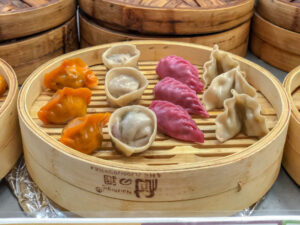
Image credit source: CCNull.
Common uses include:
- Dumplings and potstickers
- Bao and other steamed buns
- Leafy greens and mixed vegetables
- Fish fillets
- Rice-based cakes and small desserts
- Reheating food without making it soggy
How does a bamboo steamer work?
You place the steamer over a wok or pot with boiling water below. The steam rises into the bottom basket and continues upward through each stacked layer, cooking the food gradually.
The food does not sit directly in the water. Instead, it cooks from the hot steam moving through the baskets. That is what gives steamed dumplings and buns their soft texture.
How to use a bamboo steamer
Using one is straightforward once you do it a couple of times.
- Fill a wok or pot with a few inches of water.
- Bring the water to a simmer or light boil.
- Line the steamer if needed with parchment, cabbage leaves, lettuce leaves, or another food-safe liner to reduce sticking.
- Place food in the baskets with some space between pieces.
- Stack the baskets and add the lid.
- Set the steamer over the water so the bottom does not sit fully submerged.
- Check the water level during cooking and add more hot or boiling water when needed.
- Remove carefully and let the steam escape before serving.
If you want a more detailed step-by-step tutorial, The Woks of Life has a helpful guide.
How to use a bamboo steamer without a wok
A wok is often the ideal match, but it is not required. You can also use:
- A pot with an opening slightly smaller than the steamer
- A wide saucepan
- A large pot with a heat-safe stand or rack inside
The key is the same in every setup: the bottom of the steamer should be exposed to steam, not resting flat on a dry hot surface and not deeply submerged in water.
If you are improvising, check carefully for scorching and make sure the setup feels stable before you walk away.
How to choose the right bamboo steamer
1. Match the size to your pot or wok
The most important sizing rule is simple: the steamer has to fit your cookware. A very common size is 10 inches, and that is a practical choice for many home kitchens.
2. Check the number of tiers
Two-tier models are common and usually enough for most people. More tiers can be useful if you cook for a family or like to steam multiple foods at once.
3. Look at build quality
Look for a snug lid, even weaving, smooth edges, and baskets that stack securely. A poorly made steamer can feel flimsy right away.
4. Think about liners and extras
Some sets include liners, chopsticks, or small dishes. Those extras are nice, but the steamer itself matters more than accessories.
What size bamboo steamer should I use?
For many people, a 10-inch bamboo steamer is the sweet spot. It is large enough for a useful batch of dumplings or vegetables, but still manageable in a home kitchen.
If you cook smaller portions, an 8-inch model may be enough. If you regularly cook for several people, a larger size may be worth it. Just confirm that it works with your wok or pot before buying.
How to clean a bamboo steamer
Clean it gently and dry it thoroughly. That is the basic rule.
- Let the steamer cool slightly after use.
- Rinse away food residue soon after cooking.
- Use a soft sponge or cloth with mild dish soap if needed.
- Do not soak it for long periods.
- Air-dry it fully before storing.
Some people recommend letting it dry out in open air for a day or two if it got especially damp. That may sound excessive, but mold prevention matters with bamboo kitchenware.
Can you put a bamboo steamer in the dishwasher?
No, it is generally not a good idea. Dishwasher heat, long water exposure, and aggressive drying cycles can damage bamboo, loosen joints, and shorten the life of the steamer.
Hand washing is the safer option.
Care and storage tips
- Store only when fully dry.
- Keep it in a well-ventilated area, not sealed damp in a cabinet.
- Use liners for sticky foods to reduce scrubbing.
- Avoid harsh cleaners or bleach.
- If it develops odors, wash gently and let it air out completely.
Are bamboo steamers eco-friendly?
They can be a more eco-conscious choice than some plastic-heavy kitchen tools because bamboo is fast-growing and renewable. But it is still worth being honest about the tradeoffs.
Bamboo products are not automatically low-impact. Manufacturing, glues, packaging, shipping, and short product lifespan all affect the real footprint. A durable steamer you use for years is usually a better environmental outcome than a cheaply made one you replace quickly.
If you are building out a lower-waste kitchen, this tool fits best when you will actually use it often.
What are the best bamboo steamer brands?
There are plenty of brands on the market, and quality can vary. These are some commonly seen options from the original guide:
- Joyce Chen Bamboo Steamer
- Mister Kitchenware Bamboo Steamer
- Trademark Innovations Bamboo Steamer
- Helen Chen’s Asian Kitchen Bamboo Steamer
- i-PLAYLOFT Handmade Bamboo Steamer
We would still recommend reading recent reviews carefully and checking for consistency in construction, lid fit, and durability rather than assuming any listing is perfect.
Best for and skip if
Best for:
- People who love dumplings, buns, and dim sum-style meals
- Home cooks who want a simple steaming setup
- Anyone trying to expand a more natural-material kitchen toolkit
Skip if:
- You want fully dishwasher-safe cookware
- You rarely steam food
- You do not want to deal with careful drying and storage
Final thoughts
Bamboo steamers have been around for good reason. They are practical, affordable, and especially good at one thing: making steamed food taste and feel right. They are not maintenance-free, and they are not the most indestructible option in the kitchen, but they remain a smart buy for the right cook.
If you are exploring more bamboo kitchen products, you can browse our bamboo kitchen and dining guides or our broader bamboo kitchen products guide.
You may also like our other FAQs on bamboo cutting boards, bamboo straws, bamboo toilet paper, bamboo blinds, and bamboo sheets.
Want us to cover another bamboo topic? Visit our contact page or send an idea to ContactUs@tropicjade.com.