Home / Articles / What Are Bamboo Sheets? The Ultimate Bamboo Sheets FAQ
Updated March 25, 2026: This article has been refreshed for readability and accuracy.
Bamboo sheets get talked about as a softer, cooler, greener alternative to standard bedding. Sometimes that reputation is deserved. Sometimes it is marketing doing a lot of work. This guide covers the common questions, the real tradeoffs, and how to make a cleaner buying decision.
Quick verdict
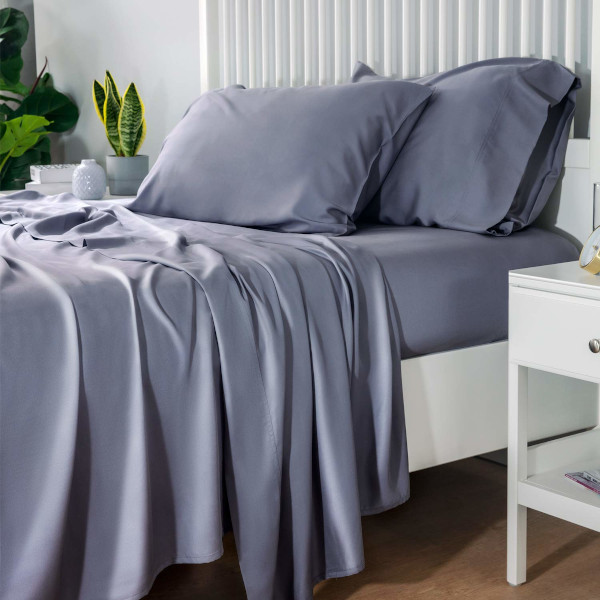
Bamboo sheets can be a good choice if you want soft, breathable bedding and you are willing to check how the fabric was made. The catch is that “bamboo” on the label usually means a processed fabric such as rayon, lyocell, or modal made from bamboo pulp, not raw woven bamboo fiber.
Best for: hot sleepers, people who like a silky-soft feel, and shoppers who care about renewable materials but are still willing to read the fine print.
Skip if: you want the simplest possible care routine, you are shopping on the absolute lowest budget, or you want a fabric with fewer processing questions than bamboo-derived rayon.
Pros and cons of bamboo sheets
Pros
- Usually very soft and smooth
- Often breathable and comfortable in warm weather
- Bamboo grows quickly as a plant, which can make it an appealing raw material
- Can feel gentler than many basic cotton sheet sets
- Often drapes nicely on the bed
Cons
- The term bamboo can hide very different manufacturing methods
- Some bamboo fabrics rely on chemical-intensive processing
- Lower-quality sets can wrinkle, pill, or feel less durable
- Usually needs gentler washing than standard cotton
- Eco claims are often overstated in marketing
What are bamboo sheets?
Sheets sold as bamboo are usually made from bamboo-derived rayon, lyocell, or modal. In other words, the bamboo plant is processed into pulp and then turned into fabric fibers.
That may sound odd at first, but it is now common across the bedding market. The finished fabric is often compared to cotton for everyday use, though many people find bamboo-based sheets smoother and cooler-feeling.
Quality varies a lot. Better sets tend to feel softer, breathe better, and hold up longer. Cheaper sets may feel coarser, wrinkle more easily, or pill sooner.
Are bamboo sheets good?
Often, yes. Compared with many common sheet materials, bamboo-based fabrics are popular for softness, breathability, and a light, comfortable feel.
They can also be a more thoughtful option than some conventional textiles if the manufacturing process is handled more responsibly. That is the key caveat. A fast-growing plant does not automatically equal a low-impact final product.
So the short version is this: bamboo sheets are good when the quality is decent and the production is transparent.
Are bamboo sheets cool?
Many people buy bamboo sheets because they sleep warm. In practice, bamboo-based bedding often feels cooler and more breathable than heavier cotton sheets, especially lower-end cotton sets.
The fabric tends to allow heat and moisture to move away from the body more easily, which can make the bed feel less stuffy in hot weather or humid climates.
That said, not every bamboo set sleeps the same. Weave, thickness, and overall quality matter just as much as the fiber label.
Are bamboo sheets comfortable?
Usually, yes. Comfort is one of the strongest reasons people switch. Most bamboo sheet sets are known for a soft, smooth hand-feel and a lighter drape than many traditional cotton options.
If you buy a cheaper set, though, the comfort gap can shrink pretty fast. Read reviews carefully before buying, especially if you are sensitive to texture.
Are bamboo sheets better than cotton?
That depends on what you care about most.
Bamboo sheets may be better than cotton for:
- Softness right out of the package
- Breathability for warm sleepers
- A smoother, silkier feel
- Shoppers specifically looking for bamboo-based bedding
Cotton may be better for:
- Simpler washing and drying
- Lower upfront cost in many cases
- A wider range of textures and quality levels
- People who want a more familiar fabric choice
The older version of this topic often made bigger claims about bamboo being cooler, longer-lasting, or naturally antibacterial. A more honest take is that some bamboo sheet sets do perform very well, but results depend heavily on the exact fabric and manufacturing quality. Also, if a brand leans hard on health-style claims, take that as a cue to slow down and read more carefully.
How to choose bamboo sheets
- Check the exact fabric name. Look for whether the sheets are bamboo rayon, bamboo viscose, bamboo lyocell, or bamboo modal.
- Look for transparency. Brands that explain sourcing and processing clearly are usually a safer bet than vague “eco luxury” language.
- Read the care label before buying. Some sets need gentler washing and lower heat than you may be used to.
- Do not obsess over thread count. With bamboo sheets, feel and weave matter more than chasing the highest number.
- Read real customer reviews. Watch for repeated complaints about pilling, thinning, snagging, or wrinkling.
- Be skeptical of miracle claims. “Natural,” “organic,” or “antibacterial” language can be marketing shorthand, not proof of superior performance.
Are bamboo sheets good for the environment?
The simple answer is yes and no.
Bamboo as a plant is appealing because it grows quickly, regrows fast, and can produce a lot from relatively little land. That part of the story is real, and it is one reason bamboo shows up in so many products now, from bedding to toilet paper and toothbrushes.
But the environmental picture changes once bamboo is turned into fabric. Some methods are more resource- and chemical-intensive than others. So while bamboo can be a promising raw material, the final product is not automatically low impact just because the label says bamboo.
If eco concerns matter to you, look for brands that are transparent about how the fibers are produced and whether the process is more closed-loop or otherwise lower impact. In other words, judge the manufacturing, not just the plant.
Do bamboo sheets have a thread count?
Yes. Most bamboo sheets fall somewhere around the 200 to 350 thread count range.
That number may look lower than what you are used to seeing with cotton, but it does not necessarily mean the sheets will feel worse. Bamboo-derived fibers are often softer by nature, so a lower thread count can still feel smooth and comfortable.
For many shoppers, weave quality and honest reviews matter more than the highest number on the package.
Do bamboo sheets pill?
They can. Bamboo sheets are not magically immune to pilling, especially if the fabric quality is lower or the sheets are washed roughly.
Pilling happens when loose fiber ends twist together over time. You can reduce it by treating the sheets a bit more gently.
- Avoid bleach and harsh detergents
- Wash in cold or low temperatures
- Air-dry when possible
- Use low heat if machine drying
- Choose better-made sheets with solid reviews
How to wash bamboo sheets
Washing bamboo sheets is not difficult, but it does help to be a little gentler than you would be with basic cotton bedding.
Washing tips
- Wash in cold water when possible
- Use a gentle cycle
- Wash separately from rough items with zippers or hooks
- Avoid mixing with towels if lint tends to stick
- Use a mild detergent
- Skip bleach
- Fabric softener is usually unnecessary
Drying tips
- Line drying or air drying is best for longevity
- If using a dryer, choose low heat
- Remove promptly to help reduce wrinkles
How to care for bamboo sheets long term
If you want the sheets to stay soft and last longer, keep the routine simple:
- Wash every week or two, depending on use
- Do not overheat them in the dryer
- Avoid bleach and aggressive stain treatments unless absolutely necessary
- Store them fully dry
- Rotate between sets if possible so one set is not taking all the wear
How to soften bamboo sheets
The good news is that many bamboo sheets soften naturally with normal washing and use. In most cases, you do not need a special trick.
To help them stay soft, avoid hot water, harsh detergent, and bleach. Gentle washing does more for bamboo bedding than fabric softener ever will.
How to get body oil out of bamboo sheets
Body oil stains are common, and bamboo sheets can usually handle spot treatment if you stay gentle.
- Wash the sheets first to see if the stain lifts on its own.
- If not, soak the area in cold water.
- Apply a mild pre-soak stain remover or a small amount of dish soap as a degreaser.
- Wash again on a gentle cycle.
Avoid bleach and very harsh detergents, which can wear down the fabric. If the stain is stubborn, an enzyme-based stain remover may help, but always check the care label first.
How much are bamboo sheets?
Prices vary a lot, and they shift constantly, so it is better to think in terms of budget, mid-range, and premium rather than chasing a number that may be outdated next month.
In general, very cheap bamboo sheets can be a red flag for lower quality or less transparent manufacturing. Higher-priced sets are not automatically better either, but they are more likely to come with clearer specs, stronger reviews, and better finishing.
Do not assume the most “luxury” sounding option is the most sustainable. Bedding brands love eco language, and not all of it means much.
What are the best bamboo sheets?
Two widely known options that people often start with are LuxClub and Bedsure.
You can also browse bedding on Amazon more broadly, but it is worth slowing down and checking fabric details instead of buying the first set with “bamboo” in the title.
If you want a more focused roundup, see our best bamboo sheets guide.
More bamboo bedding questions
If you are building out a full bamboo bedding setup, these guides may help next:
You can also explore other everyday bamboo products, including our guides to bamboo cutting boards, bamboo steamers, and bamboo blinds.
Have a bamboo product you want us to cover next? Send us a topic idea at ContactUs@tropicjade.com.