Use this guide to make a clean buying decision, understand the tradeoffs, and see where bamboo cutting boards fit inside the bigger bamboo category.
Updated March 25, 2026: We refreshed this guide for clarity, current best practices, and easier scanning.
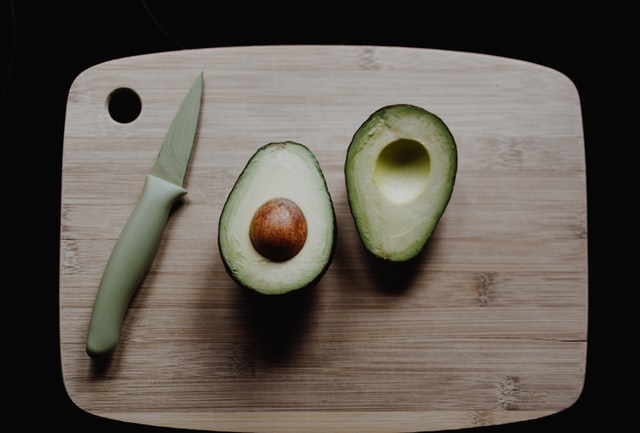
Photo inspired by work from Kelly Sikkema on Unsplash.
Quick verdict
Bamboo cutting boards are a solid choice for many kitchens. They are typically less absorbent than some traditional woods, look good on the counter, and can be a more renewable material than slower-growing hardwoods. But they are not perfect: quality varies, some boards may use questionable adhesives or finishes, and they need hand-washing and occasional oiling to last.
If you want a practical, low-fuss board for vegetables, fruit, bread, and general prep, bamboo is often a smart buy. If you want a board that is especially gentle on knives or easy to refinish for decades, you may prefer a good hardwood board instead.
Best for and skip if
- Best for: everyday home cooks, small kitchens, people who want a more renewable material, and anyone who wants a lighter board that still feels sturdy.
- Skip if: you want dishwasher-safe convenience, you prefer very soft knife-friendly surfaces, or you are highly concerned about glues and want a board with especially transparent sourcing and finishes.
Pros and cons of bamboo cutting boards
Pros
- Usually more eco-friendly than many alternatives: bamboo grows quickly, which can make it a lower-impact material when sourced and processed responsibly.
- Water-resistant: bamboo generally absorbs less moisture than many woods, which helps with warping and staining if you care for it properly.
- Good-looking: bamboo boards bring a warm, natural look to the kitchen.
- Widely available: there are many sizes, shapes, and edge styles to choose from.
Cons
- Not all boards are equally green: the sustainability story depends on adhesives, finishes, transport, and manufacturing standards.
- Can be a bit harder on knives: bamboo is often harder than some classic hardwood cutting boards.
- Not dishwasher-safe: heat and prolonged moisture can cause damage.
- Needs maintenance: hand-washing, drying, and occasional oiling matter.
What is a bamboo cutting board?
As you may have guessed, a bamboo cutting board is a board made from bamboo that you cut food on. Most people use one for vegetables, fruit, bread, herbs, cheese, and sometimes meat. Some are made from laminated bamboo strips, while others combine bamboo with serving-board features like handles or juice grooves.
Are bamboo cutting boards good?
Generally speaking, yes. Bamboo cutting boards are among the better options for many households because they balance durability, appearance, and a relatively strong sustainability case.
That said, “bamboo” alone does not guarantee an ideal product. It is worth looking for brands that are more transparent about finishes, adhesives, and manufacturing. If a company gives no information at all, that is not a great sign.
For a broader look at kitchen items in this category, you can also browse our bamboo kitchen and dining guides or the larger bamboo kitchen products guide.
Are bamboo cutting boards eco-friendly?
Often, yes, but with a few important caveats.
Bamboo is a fast-growing plant, which usually gives it an environmental advantage over slower-growing hardwoods. That is the good news. The more complicated part is manufacturing: many boards are made from strips bonded together, and the glues, finishes, packaging, and shipping footprint all matter.
If eco impact is a big factor for you, look for:
- clear information about food-safe finishes
- lower-VOC or formaldehyde-conscious adhesives when disclosed
- minimal packaging
- durability, so the board lasts instead of becoming waste quickly
In other words, bamboo can be a better choice, but it still pays to shop with a little skepticism.
Can you cut raw meat on a bamboo cutting board?
Yes, you can. The bigger issue is not whether the board is bamboo, but whether you clean it properly after use.
The USDA notes that bamboo cutting boards are hard, absorb little moisture, and resist scarring from knives. For current food safety guidance, see the USDA Food Safety and Inspection Service page on cutting boards.
Still, no cutting board material is magically self-cleaning. If you use a bamboo board for raw meat, poultry, or seafood, wash it promptly with warm water and soap, dry it well, and consider keeping a separate board just for meat if that makes your kitchen routine simpler and safer.
Do bamboo cutting boards harbor bacteria?
Bamboo is often described as less porous than many woods, which may help it absorb less moisture. That can be useful, but it should not be oversold. A bamboo board is not a substitute for proper cleaning.
The real keys are simple:
- wash the board soon after use
- do not leave it soaking in the sink
- dry it thoroughly
- replace it if it becomes deeply cracked, badly warped, or difficult to clean
If you are especially concerned about cross-contamination, keep one board for produce and another for raw meat.
How to choose a bamboo cutting board
If you are shopping for one, here is what matters most:
- Size: choose a board large enough for real prep work, not just snack slicing.
- Thickness: thicker boards usually feel more stable and are less likely to warp.
- Surface design: a juice groove can help with tomatoes, citrus, and meat, while a flat board gives you slightly more usable surface.
- Weight: lighter boards are easier to move and wash; heavier ones may feel more secure.
- Finish and sourcing: look for clear food-safe care instructions and better manufacturing transparency.
- Feet or no feet: some people like raised boards for grip, but a flat reversible board is often more versatile.
How to clean a bamboo cutting board
Use regular dish soap, warm water, and a cloth or sponge. That is usually enough for daily cleaning.
- Wash the board soon after use.
- Use warm water and mild soap.
- Wipe or scrub gently.
- Rinse without soaking.
- Dry it right away.
- Stand it on its side or place it where air can circulate while it finishes drying.
Do not leave it submerged in dishwater. Long soaking is one of the fastest ways to shorten the life of a bamboo board.
Can bamboo cutting boards go in the dishwasher?
No. Dishwashers combine heat, water, and long wash cycles in a way that is rough on bamboo. That can lead to warping, cracking, splitting, or a dull and dried-out finish.
Hand-washing is the safer move.
How to care for a bamboo cutting board
The most important habits are simple: wash promptly, do not soak, and dry thoroughly.
Beyond that, occasional oiling helps the board keep its finish and resist drying out. A little routine maintenance goes a long way.
- Wash after each use
- Never leave it in the sink
- Dry immediately
- Store upright or somewhere with airflow
- Oil it from time to time with food-safe mineral oil
How to season and treat a bamboo cutting board
Every now and then, it is a good idea to oil your board. This helps maintain the surface and slows moisture absorption.
- Warm a small amount of food-safe mineral oil.
- Pour a little onto the board.
- Rub it in with a clean cloth over all sides and surfaces.
- Use small circular motions if you like.
- Let the oil soak in before wiping away any excess.
You do not need to overdo it. If the board looks dry or chalky, that is usually a sign it could use a light treatment.
Can you put a bamboo cutting board in the oven?
Generally speaking, no. Bamboo cutting boards are not designed for oven use, and high heat can damage the material or finish.
Some people use them briefly as a resting surface for warm dishes, but they should not be treated like bakeware. If you need a trivet, use an item specifically made for heat.
How to deal with mold on a bamboo cutting board
If mold appears, the first question is whether the board is still worth saving. Light surface issues may be treatable, but a badly warped, deeply cracked, or heavily contaminated board may be better replaced.
If you decide to clean it, be cautious and thorough. Start by washing the surface well with warm soapy water and scrubbing any visible spots. For tougher cases, some people use a very diluted bleach solution to disinfect hard surfaces. If you go that route, follow the product label carefully, use gloves, work in a ventilated area, rinse thoroughly, and make sure no bleach smell remains before the board is used again.
Most importantly, let the board dry completely afterward. If mold returns, replacement is the safer and less frustrating option.
Can you paint a bamboo cutting board?
You can sometimes paint the edges or non-cutting decorative areas, especially if the board is being used as a serving or display piece rather than a true prep surface.
Painting the cutting surface itself is usually a bad idea. It can interfere with the finish, create wear problems, and make the board less suitable for food prep. If you want a decorative kitchen board, it is better to keep the painted area separate from the actual cutting zone.
Common questions in one place
What is a bamboo cutting board?
A cutting board made from bamboo, usually used for food prep like vegetables, fruit, bread, cheese, and sometimes meat.
Are bamboo cutting boards good?
Yes, for many people. They are durable, attractive, and often a more renewable option than slower-growing wood, though quality and manufacturing standards vary.
Can you cut raw meat on bamboo cutting boards?
Yes, as long as you clean the board properly after use and avoid cross-contamination.
Can bamboo cutting boards go in the dishwasher?
No. Hand-washing is the better choice.
Do bamboo cutting boards harbor bacteria?
They can if not cleaned properly. Bamboo may absorb less moisture than some woods, but safe cleaning habits still matter most.
More bamboo guides
If you want to keep comparing bamboo products, you can explore our home page, browse the full article hub, or read more kitchen-adjacent guides like The Full Bamboo Steamer FAQ and Why Are Bamboo Straws Good?. If you are branching beyond the kitchen, you may also like our guides to bamboo toilet paper, bamboo blinds, and bamboo sheets.
Have another question?
Have another question we should add? Contact us and we may include it in the next update. You can also send a topic idea directly to ContactUs@tropicjade.com.