
Home / Articles / Everything You Wanted to Know About Bamboo Blinds
Updated March 25, 2026: This guide has been refreshed for readability and accuracy.
Bamboo blinds can add warmth, texture, and a laid-back natural look to a room. They can also work well for patios and sunrooms. But they are not perfect for every home or every window. This FAQ covers the main tradeoffs so you can make a cleaner buying decision.
If you are comparing bamboo products in general, you may also want to read our bamboo home decor and building guide and our bamboo home products guide.
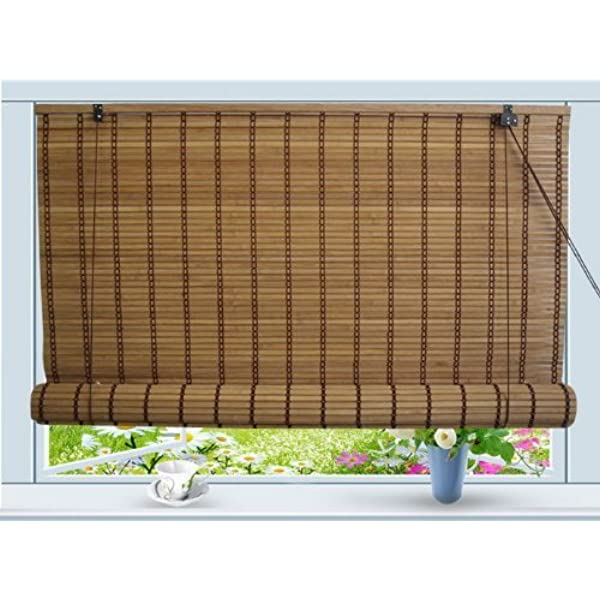
Table of contents
- Quick verdict
- What are bamboo blinds?
- Are bamboo blinds eco-friendly?
- Are bamboo blinds in style?
- Can bamboo blinds be cut to size?
- Can you paint bamboo blinds?
- Are bamboo blinds waterproof?
- Can you see through bamboo blinds?
- How to make bamboo blinds more private
- Can bamboo blinds be used outdoors?
Quick verdict
Bamboo blinds are best for people who want a natural, textured look and do not mind some light filtering. They can be a more renewable alternative to some conventional wood products, but the overall eco picture still depends on how they are processed, finished, shipped, and packaged.
They are often a good fit for living rooms, dining rooms, sunrooms, and covered outdoor spaces. They are less ideal if you need full blackout performance, maximum insulation, or total privacy without adding a liner.
Pros
- Warm, natural look that works with many interior styles
- Usually lightweight and easy to install
- Often more affordable than custom woven shades
- Bamboo is fast-growing, which can make it a lower-impact material choice than slower-growing woods
- Can work indoors and, in some cases, outdoors
Cons
- Many styles are not fully private on their own
- Light often filters through gaps in the weave
- Not all options handle moisture the same way
- Painted or heavily finished styles may chip or wear over time
- Eco claims can be overstated if the product uses synthetic liners, heavy coatings, or long-distance shipping
Best for
- Homes that want a relaxed, organic look
- Rooms where filtered light is welcome
- People who like woven wood or tropical-inspired decor
- Covered patios and porches, if the product is rated for that use
Skip if
- You need blackout sleep conditions
- You want complete privacy without adding a liner
- Your space gets a lot of direct rain and the blinds are not made for outdoor exposure
- You prefer a crisp, modern blind with no visible texture
What are bamboo blinds?
Bamboo blinds are window coverings made from bamboo slats, reeds, or woven natural fibers. Some are made mostly from bamboo, while others are mixed with wood, jute, grasses, or synthetic backing materials.
They are popular across North America because they add texture and visual warmth without feeling overly formal. Many people use them in living rooms, bedrooms, kitchens, and even patios.
They can also be relatively affordable. Many bamboo blinds fall into a mid-range price bracket, though custom sizing, liners, and premium finishes can raise the cost.
Are bamboo blinds eco-friendly?
They can be a fairly eco-conscious choice, but it is better to say potentially lower impact than automatically green.
Bamboo grows quickly compared with many trees used for wood products. That fast growth is one reason it is often promoted as a renewable material. In general, using rapidly renewable plant material can reduce pressure on slower-growing forests.
Still, the full environmental picture depends on more than the plant itself. It also matters how the bamboo was harvested, what finishes or adhesives were used, whether synthetic liners were added, and how far the product traveled to reach your home.
When choosing, look for simple construction, durable hardware, and a product you will actually keep for years. Longevity matters. The greenest blind is usually the one you do not have to replace quickly.
If you are interested in other bamboo household products, you might also like our bamboo cutting board FAQ, bamboo steamer FAQ, bamboo toilet paper FAQ, and bamboo sheets FAQ.
Are bamboo blinds in style?
Yes. Bamboo blinds and woven wood shades have been popular for years because they bring in natural warmth and texture. They can work with coastal, boho, minimalist, traditional, earthy modern, and even some Scandinavian-inspired spaces.
The key is using them intentionally. Their look is softer and more organic than standard vinyl or metal blinds, so they suit homes that want a little character rather than a totally plain window treatment.
If you like interiors that feel calm, grounded, and less plastic-heavy, bamboo blinds are still very much in style.
How to choose bamboo blinds
- Privacy: If privacy matters, look for tightly woven styles or models with a built-in privacy liner.
- Light control: Decide whether you want soft filtered light, room darkening, or something closer to blackout.
- Indoor vs. outdoor use: Do not assume every bamboo blind can handle weather.
- Mount type: Check whether you want inside-mount or outside-mount blinds before ordering.
- Color and finish: Natural tones are versatile, but darker stains can hide some light gaps better.
- Trim options: If your windows are unusual sizes, see whether the product is custom-cut or easy to trim at home.
- Materials: Some “bamboo” blinds include other fibers or synthetic components, which may affect durability and sustainability.
Can bamboo blinds be cut to size?
Usually, yes. The easiest option is ordering the correct custom size from the start, but many people trim bamboo blinds themselves when the fit is slightly off.
If the blinds are too tall, the job is often simpler and may only require measuring, scissors, and basic fastening tools. If they are too wide, the project can be more involved and may require more precise cutting tools.
Measure carefully before doing anything. A small mistake can make the blind hang unevenly or fray at the edge.
For step-by-step help, see this cutting guide.
If you plan to buy options online, you can browse general listings at Amazon, but always confirm the trim policy and warranty first.
Can you paint bamboo blinds?
You can, but it is not always the best idea.
Because bamboo blinds are rolled, folded, or repeatedly lowered and raised, paint may chip, crack, or flake over time. Some blinds are also sealed or treated in ways that make paint adhesion less reliable.
If you still want to paint them, test a small hidden area first. Thin, even coats usually work better than heavy ones. Just go in knowing the finish may wear faster than on a static decor piece.
Helpful tutorials include this painting guide.
Are bamboo blinds waterproof?
Some are moisture-resistant, but not all are truly waterproof.
This is an area where marketing can get fuzzy. Bamboo as a plant is associated with humid climates, but that does not automatically mean every finished bamboo blind is suitable for wet conditions. Construction, coatings, backing materials, and hardware all matter.
If you want bamboo blinds for a bathroom, kitchen, or patio, check the manufacturer’s care and use instructions. A blind that handles light humidity may still struggle with direct rain, prolonged dampness, or metal hardware rust.
If possible, test a sample or ask the retailer specific questions about moisture exposure.
Can you see through bamboo blinds?
Often, yes. Most bamboo blinds allow at least some light through, and many also leave small gaps in the weave. During the day, this may not bother you much. At night, with interior lights on, privacy can be more limited.
That does not make them bad blinds. It just means you should match the product to the room. In a living room, filtered light may be perfect. In a bedroom or street-facing bathroom, you may want a liner or a different window treatment.
How do you make bamboo blinds more private?
The most common fix is adding a privacy liner. This extra layer helps reduce visibility and light coming through the weave.
If you have not bought your blinds yet, the easiest route is choosing a model that already includes a privacy liner or is clearly labeled as better for privacy. If you already own the blinds, you can add one yourself with some time and patience.
For a more detailed walkthrough, see this privacy liner tutorial.
Other ways to improve privacy include:
- Choosing a tighter weave
- Mounting the blind outside the window frame to reduce side gaps
- Layering with curtains or drapes
- Using the blinds mainly as a decorative layer over a more private shade
Can bamboo blinds be used outdoors?
Some can, especially on covered patios or porches, but not every model is made for outdoor use.
Outdoor exposure brings extra stress from sun, wind, humidity, and rain. Even if the bamboo itself holds up reasonably well, cords, hardware, stains, and liners may age faster outside.
If you want that relaxed tiki or natural patio look, choose a product specifically described for outdoor conditions. Covered spaces are usually a safer bet than fully exposed ones.
How much are bamboo blinds?
Many bamboo blinds fall in the roughly $30 to $60 range, though prices vary widely depending on size, brand, lining, and customization. Outdoor-rated versions and custom sizes often cost more.
Rather than chasing the absolute cheapest option, it is usually better to focus on fit, privacy level, and durability. A low-cost blind that frays or sags quickly is not much of a bargain.
Care and cleaning
Bamboo blinds are fairly easy to care for if you stay gentle.
- Dust regularly with a microfiber cloth, feather duster, or vacuum brush attachment
- Spot clean lightly with a barely damp cloth if needed
- Do not soak them unless the manufacturer clearly says they can handle it
- Let them dry fully if any moisture gets on them
- Avoid harsh chemical cleaners that may damage the finish
- Check cords and mounting hardware occasionally for wear
If the blinds are in a damp room, extra ventilation can help them last longer.
Final thoughts
Bamboo blinds make sense when you want natural texture, filtered light, and a softer look than standard blinds. They are not a magic solution for every room, and they are not automatically the most sustainable option just because they use bamboo. But if you choose carefully and buy for the long haul, they can be a practical and attractive addition to a home.
Want more bamboo product guides? Visit our full article hub, check out our bamboo straws FAQ, or learn more from J.J. Pryor.
If there is another bamboo product you want us to cover, send a suggestion to ContactUs@tropicjade.com.