
The Big Bamboo Cutting Board FAQ
Use this guide to make a clean buying decision, understand the tradeoffs, and see where this topic fits inside the bigger bamboo category.
Bamboo Guide
The Big Bamboo Cutting Board FAQ
Updated and reformatted for easier reading with practical answers you can use quickly.
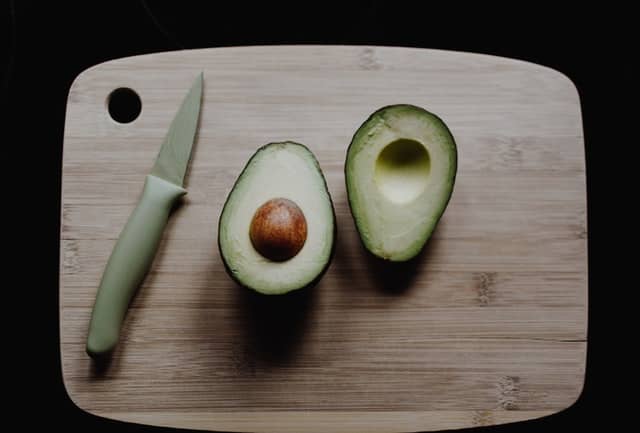
Everything you wanted to know about bamboo cutting boards
Updated March 25, 2026: We refreshed this guide for clarity, current best practices, and easier scanning.
What is a bamboo cutting board?
Usually people cut meat, vegetables, other food on top of it. I suppose you could cut other things, but that’s your perogrative.
Are bamboo cutting boards good?
Why?
For a few reasons:
- They’re environmentally friendly (usually): Bamboo is an extremely eco-friendly material to use in products. Just keep an eye out for manufacturers that include harmful chemicals (like formaldehyde) in their manufacturing processes.
- They’re water-resistant: Because bamboo is naturally water resistant, the boards take much longer to absorb water. So as long as you treat them properly and don’t soak them with the dishes — these boards will last you a long time.
- They’re stylish: Who doesn’t want a little taste of the tropics in their kitchen? Hint — it’s no one. They also come in a huge variety of colors, grains, and finishes.
- They’re bacteria resistant: Due to bamboo’s natural bacteria and mold-fighting qualities, they are a great addition to kitchens where everything from meat to veggies might be cut on them.
Can you cut raw meat on bamboo cutting boards?
“Bamboo cutting boards are harder and less porous than hardwoods. Bamboo absorbs very little moisture and resists scarring from knives, so they are more resistant to bacteria than other woods.”
Your main concern when cutting raw meat on any style of cutting board is the potential for harmful bacteria. That’s why it’s usually advised to avoid super-porous types of material.
Due to this, plastic, granite, and bamboo cutting boards should all be just fine.
If it’s a major concern for you, get two different cutting boards and designate one of them for meat only.
Can you put a bamboo cutting board in the oven?
On the bright side, you can use them as trivets or hot plate as long as the temperature isn’t too high.
How to take care of bamboo cutting boards?
The best way is to just use regularly soap and warm water with a clothe or sponge. Be sure to dry it and lay it on its side right after.
It’s also advised to occasionally add mineral oil to your board to keep it pretty and water resistant.
How to season and treat bamboo cutting boards?
Just warm up half a cup of any food-safe mineral oil at your disposal then slowly pour it on the board. Use a cloth to gently rub it in on all sides and surfaces. Use a circular motion for maximum effect and coolness.
How to clean bamboo cutting boards?
Can bamboo cutting boards go in the dishwasher?
Do bamboo cutting boards harbor bacteria?
How to get mold out of bamboo cutting board?
If you encounter mold and want to be 100% sure of getting rid of it — use bleach.
While the thought might be scary at first, bleach is extremely effect as disenfencting surfaces of mold and bacteria.
Mix 1 teaspoon of bleach into 2 quarts (1900 mL) of water. Dip a scrubbing brush or sponge (if you’re using gloves) into the mixture. Then workover the board into any scratch or indent you can see. Brush in circular motions to maximize absorption.
Leave the mixture for 5 to 10 minutes and then go clean the hell out of it with warm soap and water. Make sure there’s no smell of bleach left and you’ll be back to cutting in no time — on a mold-free surface.
Can you paint a bamboo cutting board?
As for the front and backs — of course you could paint them — but you’d also destroy the important finish that’s sitting on it.
If you can find out what refinishing material the manufacturer used so you can reapply it after painting, that will probably do the trick. Just be careful as the finishing helps protect against bacteria and mold!
Have another question we should add? Contact us and we may include it in the next update.
Next Step
Continue with our full article hub or request a topic you want covered next.